A garden changes the way you look at an ordinary day. There is always something small to notice, even when very little seems to be happening.
Start with what you love
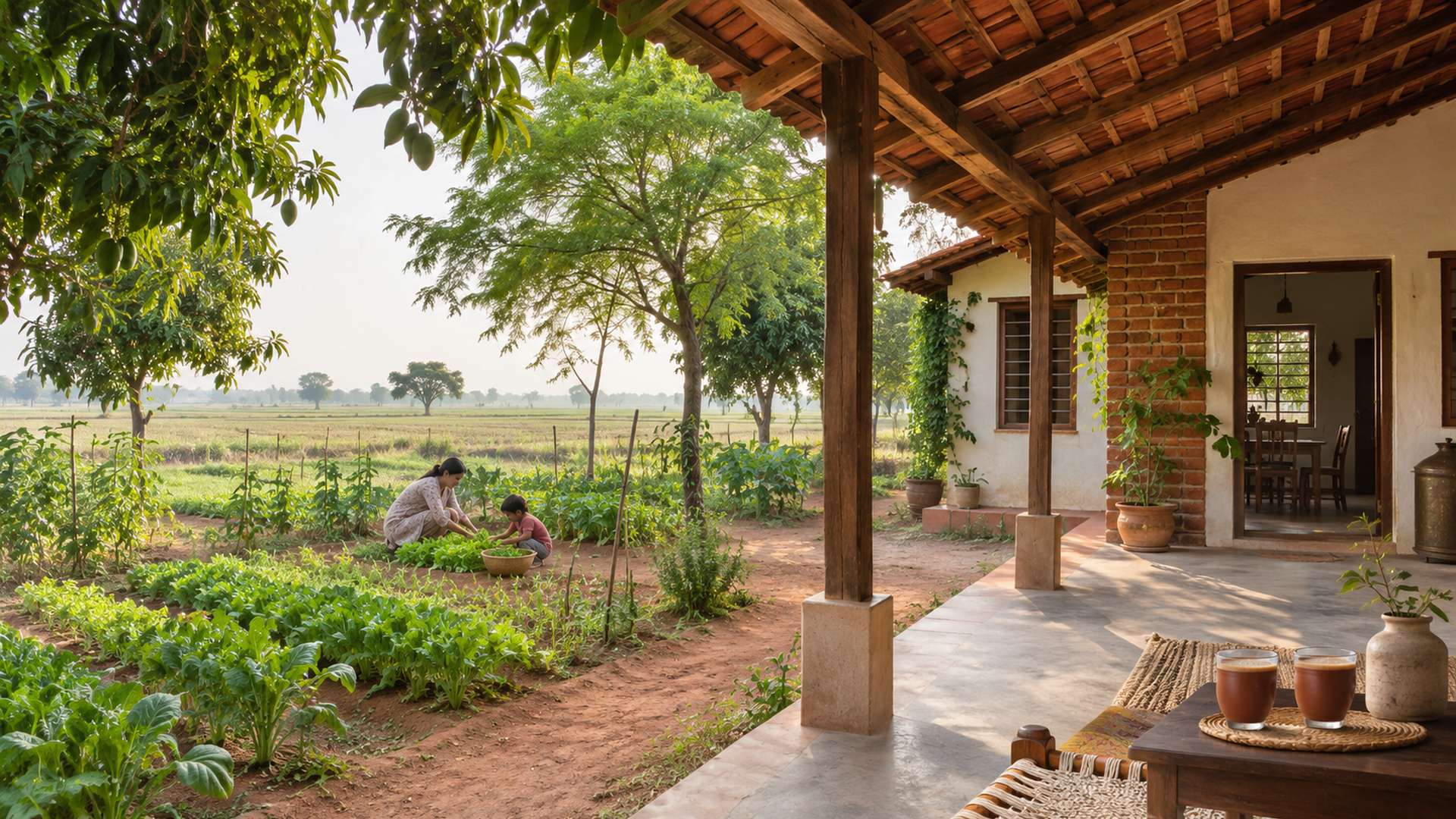
Imagine a few beds behind the verandah, with room to move between them and a place to put down a watering can. The idea is not to grow everything. It is to begin with the flavours and plants that already have a place in your everyday life.
The first pleasure may arrive long before a harvest: deciding where a bed should go, learning the names of plants, or noticing which corner catches the morning light. A small garden offers plenty to be curious about.
Learn to notice
Gardening gives you reasons to return to the same place. Yesterday’s bare patch looks a little different today. A new leaf appears. The ground changes after rain. The seasons become something you can see up close.
Keep a notebook if you enjoy it, or simply take a photograph each time you visit. Over time, these small observations become a record of a place you know more closely. Local growing advice can help turn that curiosity into a practical plan.
Sometimes the smallest patch of land becomes the favourite part of home.
Bring everyone along
A garden can be a shared project without becoming a chore. One person might enjoy planning the beds, another keeping a small record, and someone else choosing what to make for lunch.
For children, even a single plant can become a story they want to follow. The waiting is part of it. So is learning that living things do not always keep to the schedule we have in mind.
Enjoy the small harvests
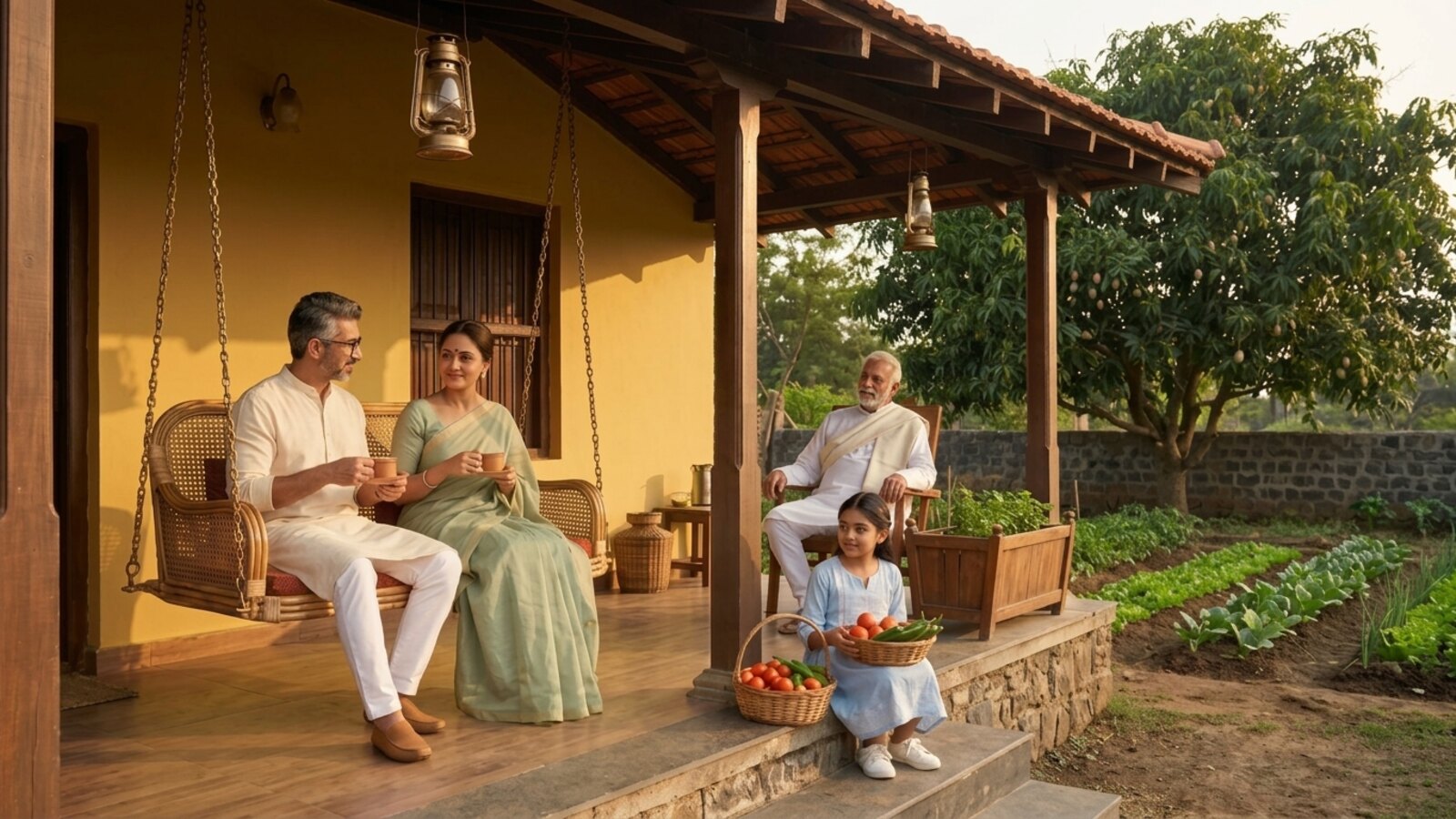
The best part may be a handful of leaves carried to the kitchen, or simply an hour spent outdoors together. A garden does not need to be large to become part of the way a family spends its time.
Start small, ask questions, and make room for learning. The joy is as much in the tending as it is in what eventually reaches the table.

Asalgaam Journal
Thoughts on a life closer to the land.